
What Makes an Industrial-Grade SBC? Temperature, Lifecycle, and Validation
Evaluate an industrial-grade SBC using temperature limits, power behavior, component traceability, lifecycle terms, and a practical system validation matrix.
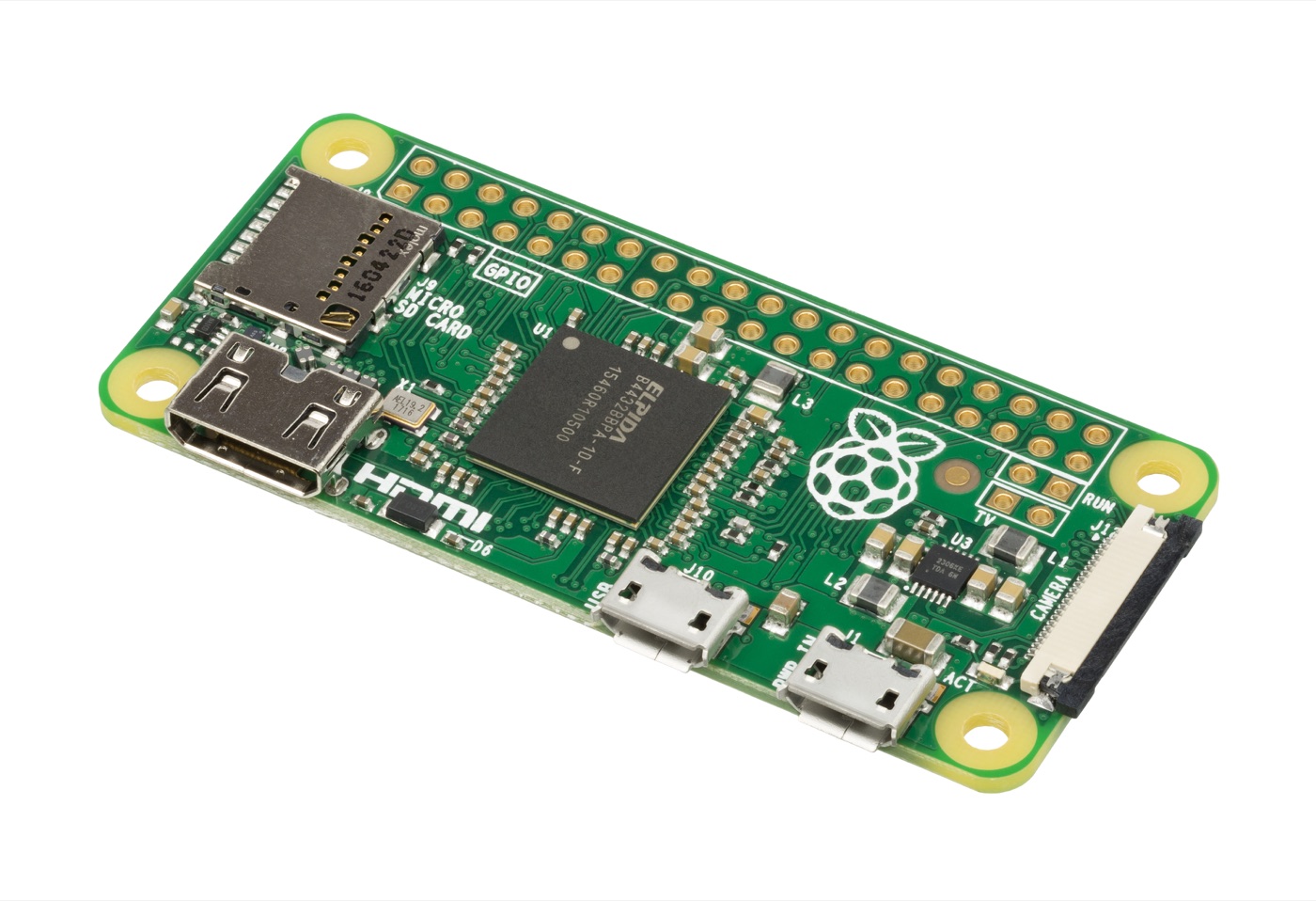
Ask three suppliers for an industrial-grade SBC and the answers may describe three different things: a wide-temperature processor, a board intended for long availability, or a complete system that has passed a defined test program. Those claims are not interchangeable.
For purchasing and design review, the label is useful only when it leads to evidence. You need an operating envelope, a controlled hardware and software configuration, and tests tied to the installation. A board that works in a ventilated laboratory may not work behind a bright display in a sealed cabinet.
There is no single checklist in this article that certifies every industrial product. The objective is narrower: turn broad supplier claims into requirements that can be checked before the design becomes expensive to change.
1. Write the Operating Envelope Before Comparing Boards
Describe the installation in physical terms. Is the computer inside an air-conditioned control cabinet, in an outdoor panel, or attached to equipment that vibrates? What surrounds the board, and what produces heat nearby? Who can service it after deployment?
Avoid writing only “24/7 industrial use.” Continuous operation says little about temperature, electrical disturbances, contamination, or mechanical loads. A continuously powered indoor dashboard and a intermittently powered outdoor controller can require very different designs.
| Requirement | Useful specification | Weak substitute |
|---|---|---|
| Temperature | Ambient range at the enclosure, workload, cooling, cold-start conditions | Processor rated to a high temperature |
| Input power | Nominal range, transient conditions, startup and recovery behavior | A connector marked 12V |
| Mechanical environment | Mounting, cable retention, vibration and shock profile | Metal enclosure photograph |
| Availability | Exact assembly, supply horizon, change-notification terms | Long-life CPU family |
| Reliability | Test conditions, sample identity, results and failure criteria | “Passed strict testing” |
| Maintenance | Recovery method, update ownership, diagnostic access | Android or Linux version number |
Keep the required workload beside the environmental envelope. If the product must handle video, networking, and a database concurrently at its maximum ambient temperature, a CPU-only stress test does not fully represent it.
This is also where production SBC selection becomes more useful than classifying boards by brand. A familiar development board with a defined system qualification may fit a controlled installation; a board advertised as industrial may still lack the evidence your project needs.
2. Temperature Ratings Have Different Boundaries
A component’s junction-temperature limit, its package or case limit, the board’s local air temperature, and the external ambient are different quantities. Copying one into another field creates a specification that looks precise but cannot be tested consistently.
Ask where temperature is measured, which operating mode applies, and what cooling hardware is required. “Up to 85°C” is incomplete if it omits whether that means ambient or junction temperature. The permitted SoC temperature also depends on the exact part number and grade.
Check the whole bill of materials: memory, storage, Ethernet PHY, oscillators, power components, connectors, and any batteries. One narrow-temperature component can limit the board even when the processor has a wider rating. Capacitor and power-stage behavior deserve attention at both ends of the range.
Cold boot is a separate test from cooling an already-running board. Startup sequencing, storage readiness, display initialization, and peripheral enumeration may fail differently at low temperature. At the hot end, measure delivered application performance as well as temperature. A board that remains alive by throttling below the required throughput has not met the product requirement.
The IEC 60068-2-14 standard provides methods for change-of-temperature testing. Its existence does not assign your product a universal pass temperature or cycle count. The chosen severity, test procedure, and acceptance criteria must be documented for the product and verified against the applicable edition.
3. Qualify the Enclosure, Not Just the Bare PCB
The enclosure changes airflow, heat transfer, grounding, cable routing, and access to connectors. A development board on standoffs is therefore an early integration sample, not the final thermal or electrical specimen.
Mount the board in a representative production assembly. Include the display, backlight setting, power converter, radios, and peripheral loads that affect the result. If the product will hang vertically on a wall, test that orientation rather than leaving it flat on a bench.
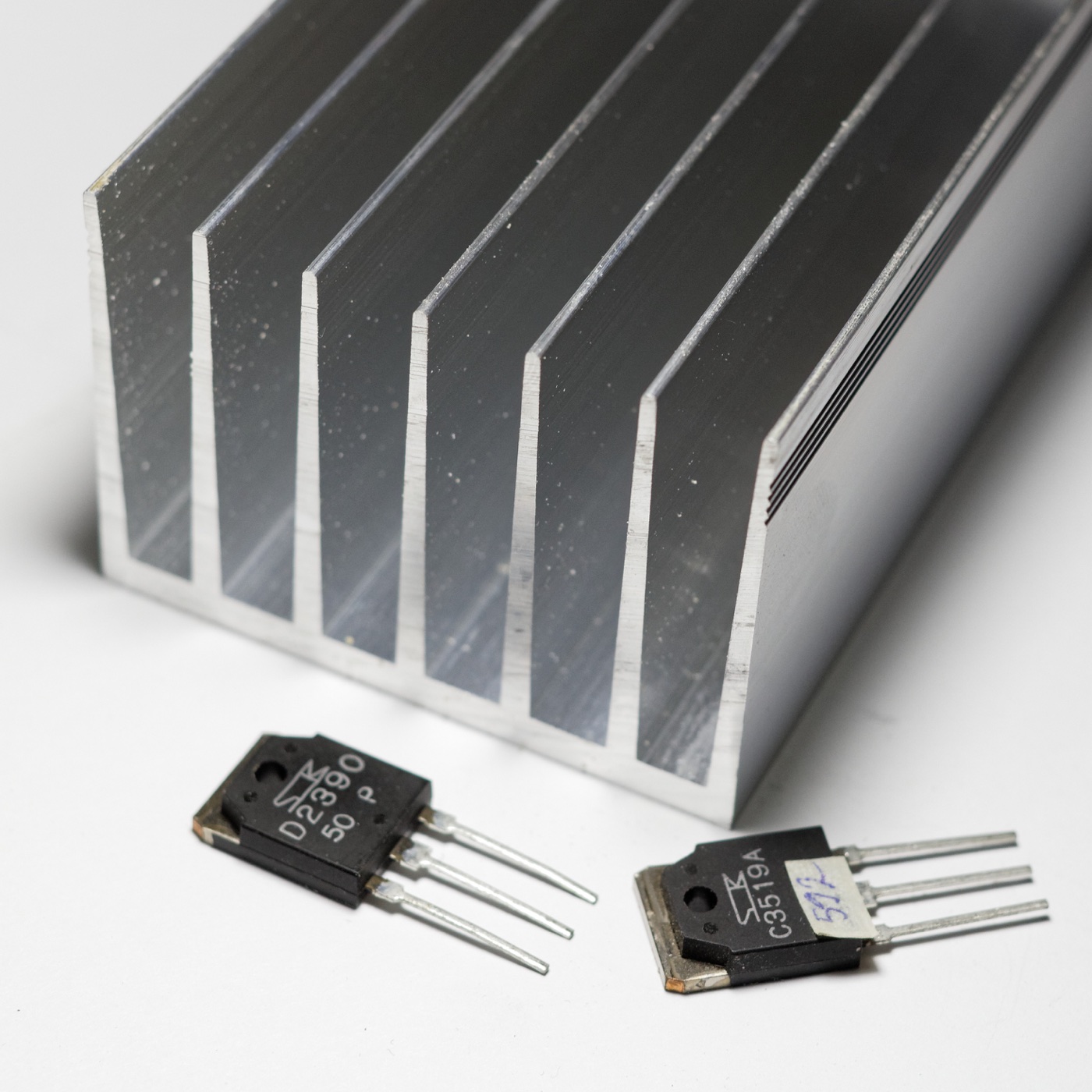
For fanless SBC cooling, a heat spreader must make repeatable contact despite mechanical tolerances. Record the interface material, compression, mounting method, and enclosure finish. A one-off sample assembled with extra pressure can conceal a production tolerance problem.
External interfaces deserve equal attention. Long cables can bring disturbances into a board. Connector shells, shield terminations, protection devices, and the enclosure’s grounding arrangement influence the finished product. A protected transceiver on its own is not a complete immunity design.
Ask for the supplier’s existing test reports, then compare the tested assembly with yours. Differences do not make the reports useless, but they define what remains to be evaluated. Have the responsible compliance engineer or laboratory determine the applicable requirements; an article or supplier brochure cannot select the regulatory path for every installation.
4. Reliability Includes What Happens After a Fault
An unattended device should have a defined response to power interruption, software deadlock, storage errors, and lost connectivity. Passing a normal operating test does not show whether it can recover from these states.
Separate fault detection from recovery. A network outage may call for local buffering and reconnection, not a system reset. A hung application may justify restarting a service. A stalled operating system may require a hardware watchdog. Rebooting repeatedly without identifying the failed function is not a recovery strategy.
Define what the user sees and what data must survive. For an HMI, a reset should not silently display stale process data as current. For a logger, the application should distinguish an incomplete record from a valid measurement after restart. These are software acceptance criteria with hardware consequences.
Use controlled fault injection on laboratory units with safe outputs and recoverable data. Record the fault, detection time, action, recovery time, and resulting state. Avoid exercising disruptive tests on deployed equipment.
Power behavior deserves its own trace. Capture startup demand with the intended supply and cable, then evaluate the disturbances relevant to the installation. A reboot caused by voltage drop across a long cable is not necessarily a processor failure. The corrective action may belong in the power path rather than the board’s software.
5. A Validation Matrix Makes the Claim Auditable
| Test area | Representative setup | Evidence to retain |
|---|---|---|
| Cold and hot operation | Complete assembly, defined workload and soak | Sensor locations, ambient trace, functional results |
| Power recovery | Intended supply, controlled interruption cases | Voltage trace, boot outcome, data consistency |
| Mechanical integrity | Production mounting and cable retention | Test profile, inspection, intermittent-fault logs |
| Sustained workload | Real application plus required peripherals | Performance trend, temperature, error counters |
| Fault recovery | Deliberate application and communications failures | Detection and recovery sequence |
| Manufacturing repeatability | Identified board revisions and production samples | Serial numbers, component lots, test coverage |
Agree on pass criteria before the test. “Still running” may not be sufficient if Ethernet drops packets beyond the application’s allowance or the display loses touch events. Conversely, an expected temporary performance reduction should not be called a failure if the requirement explicitly permits it.
Retain failures, not only the final successful run. Record the change that corrected each issue and the regression tests repeated afterwards. A new capacitor, thermal pad, or kernel build changes the configuration being qualified.
Distinguish qualification from production screening. Qualification explores whether the design meets its requirements. Screening checks manufactured units for selected defects. A short elevated-temperature run can be part of production screening, but it does not prove a ten-year field life.
Also distinguish observation from prediction. A small sample running without failure provides useful evidence under its test conditions; it does not justify a precise fleet failure rate by itself. Any reliability prediction needs a stated model, inputs, assumptions, and limitations. Avoid accepting an impressive MTBF number with none of those attached.
6. Control the Board That Will Ship Next Year
Qualification applies to a configuration, not a product nickname. Record the PCB revision, approved component list, firmware, BSP, boot settings, and test fixture version. Production changes should be assessed against that baseline.
Memory and storage substitutions deserve more than a capacity check. They can change initialization, power demand, timing, or recovery behavior. An alternative Ethernet PHY may affect drivers and compliance performance. Even an apparently harmless connector change can alter cable retention.
Ask who sends product change notifications, how affected lots are identified, and which changes require approval. Establish an escalation contact and the lead time needed for your own validation. Do not assume a universal notification period applies to every supplier.
Make the receiving inspection specific enough to notice an unapproved change. Check assembly identifiers and software versions against the order, retain supplier certificates where relevant, and define what triggers quarantine. A certificate that references another board revision cannot silently replace evidence for the purchased configuration. The service team also needs a way to identify compatible replacements without dismantling every returned unit.
NXP’s product longevity program illustrates an important boundary: availability commitments apply to participating components under stated terms. They do not automatically cover a complete SBC, its other components, or its software maintenance. The board supplier still needs a credible assembly-level plan.
The strongest industrial-grade claim is therefore a small evidence package: operating envelope, configuration baseline, test matrix, results, recovery behavior, and change-control terms. If those documents are available and match your installation, the label has substance. If they are absent, treat the board as an unqualified candidate and budget the work needed to determine whether it fits.
Frequently Asked Questions
Does industrial-grade SBC always mean minus 40 to 85 degrees Celsius?
No. A board needs an explicit operating range with stated cooling, workload, mounting, and measurement conditions. A processor’s temperature grade does not establish the ambient operating range of the complete board.
Is burn-in enough to prove SBC reliability?
No. Production screening may find some early defects, but it does not replace design qualification, environmental testing, software recovery testing, or lifecycle controls. A lifetime estimate also needs a defensible model and assumptions.
Can a certified board make the finished product certified?
Not automatically. The enclosure, power supply, display, cables, grounding, and application can change compliance behavior. Board reports are useful inputs, but the finished product must be assessed against its applicable requirements.